Your What were the actors called in greek theater images are ready. What were the actors called in greek theater are a topic that is being searched for and liked by netizens today. You can Download the What were the actors called in greek theater files here. Download all free vectors.
If you’re searching for what were the actors called in greek theater images information related to the what were the actors called in greek theater topic, you have come to the ideal blog. Our website always provides you with suggestions for seeking the maximum quality video and image content, please kindly hunt and find more informative video content and graphics that fit your interests.
What Were The Actors Called In Greek Theater. Props for the stage Props in The Theater. The people up high on the hill could hear the words spoken far below. Its one of those classic theatrical buildings taking its place among the likes of the Sydney Opera House the Bolshoi and the Palais Garnier. The Greeks were very competitive.
 A Matter Of Style Ancient Greek Theatre From theatrestyles.blogspot.com
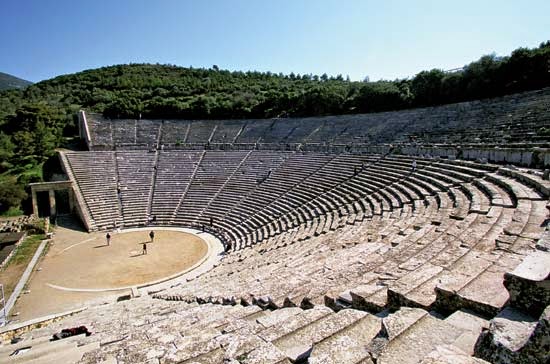
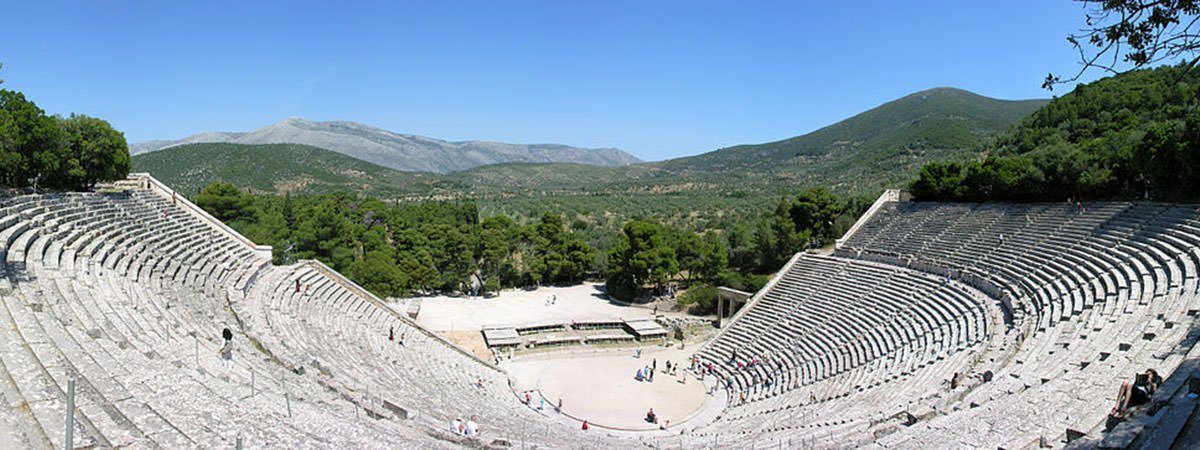
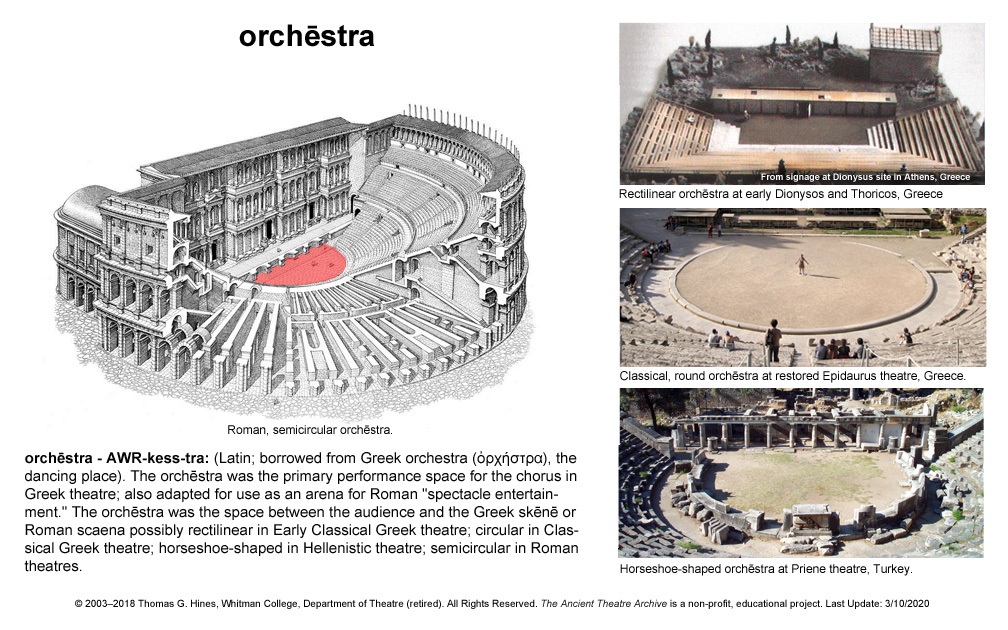
The bowl shape of the seating allowed the actors voices to carry throughout the entire theater. The Orchestra was the almost circular place situated in front of the scene stage facing the audience. Greek theatre masks were made of stiffened and painted linen so none have survived to the present day. The actors would go back stage after playing one character switch masks and costumes and reappear as. There was running water for the users and separate toilet facilities for theater patrons archaeologists say. Its one of those classic theatrical buildings taking its place among the likes of the Sydney Opera House the Bolshoi and the Palais Garnier.
The people up high on the hill could hear the words spoken far below.
The Globe Theater brings to mind stage plays Shakespeare and London. The actors were seen as silhouettes or integral bodies rather than faces. The Spectator volume 1 of 3 plus translations and index comprising previously unpublished eighteenth-century essays poetry letters and opinions originally edited by Addison and Steele now available in html form as a free download from Project Gutenberg. The Globe Theater brings to mind stage plays Shakespeare and London. Izmir Metropolitan Municipality. Theater comes from a Greek word for viewing the ceremonies.
Source: theatrestyles.blogspot.com
The Greeks were very competitive. Proskēnion literally means something set up before the skēnēIn Hellenistic theatres such as Priene the proskēnion included the theatres high stage logeion the skēnēs side stages paraskēnia and the logeions decorated supporting wall hyposkēnionAll were in front of. The use of props helps make sense by giving actors appropriate actions that often forward a scene in an authentic portrayal. Louis Missouri in 1973. They represent the theater and refer to the range of emotions presented by stage actors.
 Source: usu.edu
It is thought theatrical performances took place in ancient Rome from the 4th century BC after the establishment of the Roman Republic. He later studied psychology at Columbia University under the. Greek theatre began in the 6th century BCE in Athens with the performance of tragedy plays at religious festivals. A latrine for the use of actors was found in a theater from 200 AD in the ancient Greek city of Smyrna modern-day Izmir Turkey last week. They had drama contests between towns.
 Source: 10interestingfacts.com
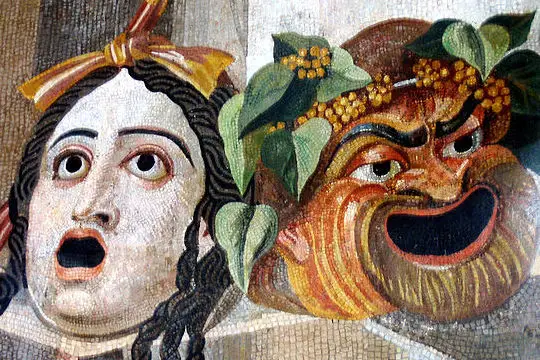
Its one of those classic theatrical buildings taking its place among the likes of the Sydney Opera House the Bolshoi and the Palais Garnier. Soon a huge amphitheater was built. There are different types of props used in the theater. Tragedy late 500 BC comedy 490 BC and the satyr. Happysad paired masks are referred to as the comedytragedy masks or as Greek theater masks.
 Source: slidetodoc.com
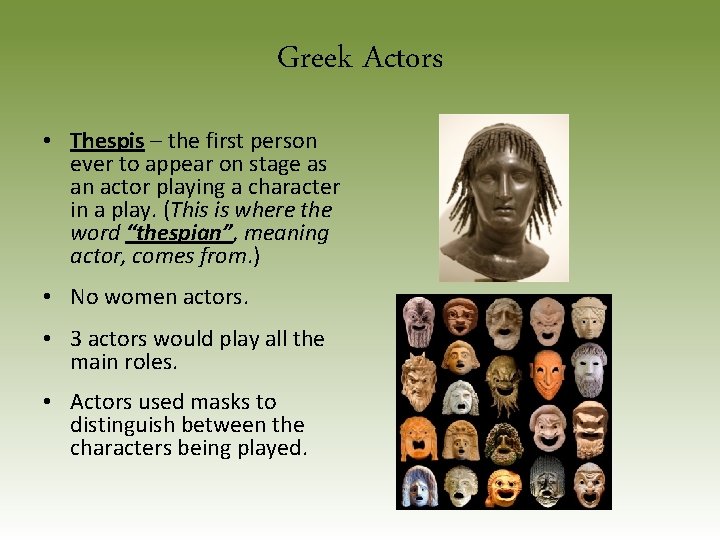
The Greeks were very competitive. However the plays continued. The bowl shape of the seating allowed the actors voices to carry throughout the entire theater. Choruses began performing hymns written in his honor which were dubbed dithyrambs. Later few non-speaking roles were allowed to perform on-stage.
 Source: schoolworkhelper.net
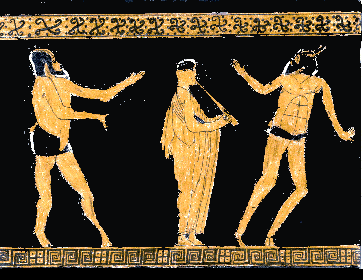
The satyrs were mythical half-human half-goat figures and actors in these plays wore large phalluses for comic effect. The main examples of Greek architecture that survive today are the large temples that they built to their gods. It was so large that there were seats for thirty thousand spectators. After some time only three actors were allowed to perform in each play. Gods synergy was necessary for people to be cured at the Asklepieia perhaps in the form of a miracle.
 Source: quizlet.com
As a consequence of their lasting popularity the works of. The actors would go back stage after playing one character switch masks and costumes and reappear as. Its one of those classic theatrical buildings taking its place among the likes of the Sydney Opera House the Bolshoi and the Palais Garnier. They represent the theater and refer to the range of emotions presented by stage actors. Later few non-speaking roles were allowed to perform on-stage.
 Source: bte.org
The masks were the most striking feature of the costume worn by the Athenian actors. At the early Greek festivals the actors directors and dramatists were all the same person. Ancient Greek theaters were sometimes built in sacred sites called Asklepieia. He later studied psychology at Columbia University under the. Under it was the Greek chiton or Roman tunicaTravelers wore the petasos hat.
 Source: realgreekexperiences.com
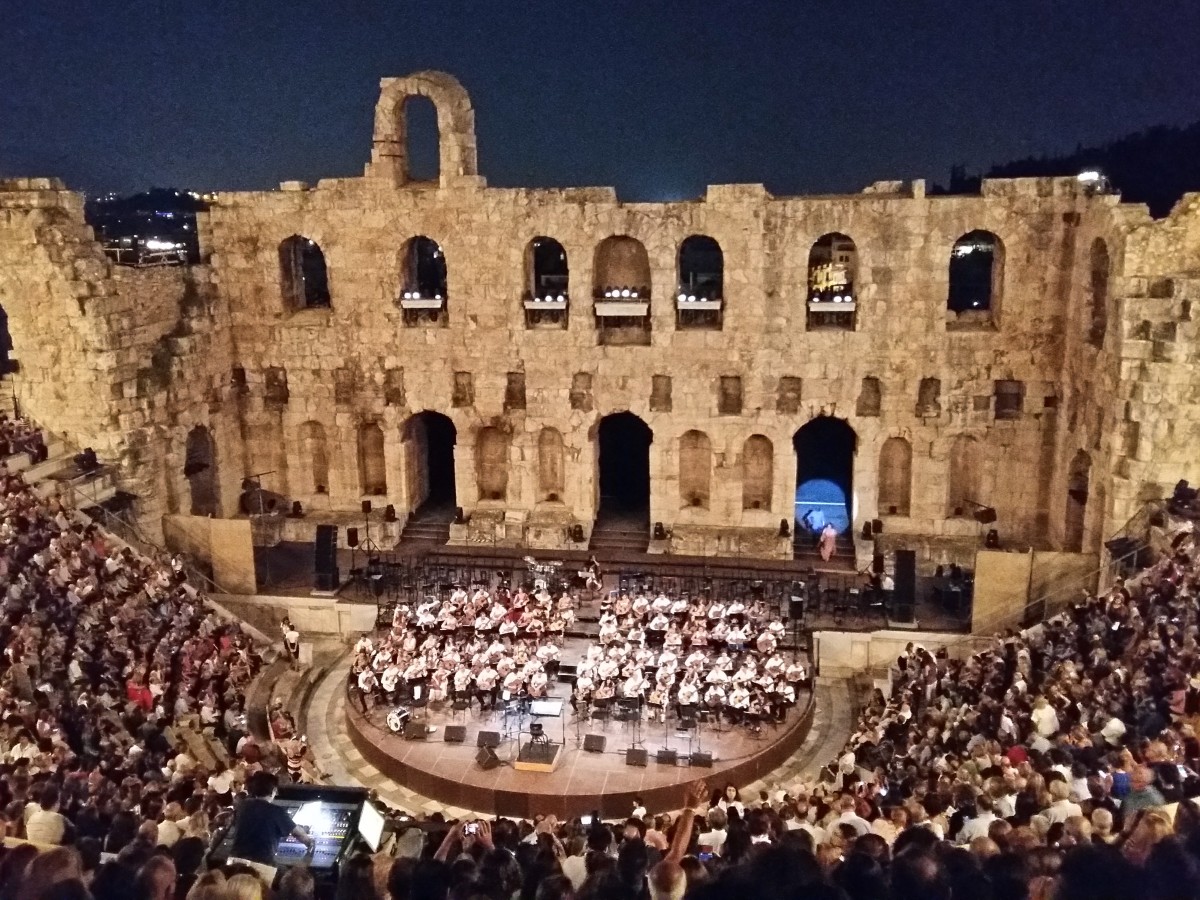
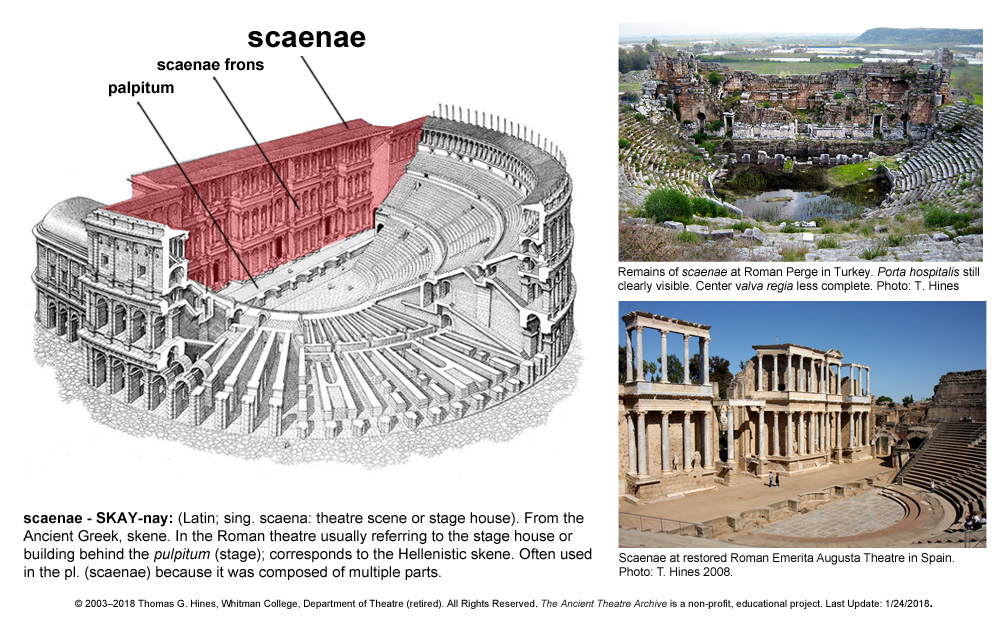
Besides a design to allow crowds to see the performers Greek theaters excelled in acoustics. The Orchestra the Scene and the main theatre called Koilon. Tragic actors would wear a soccus slipper or. There are different types of props used in the theater. The two types of Greek drama would be hugely popular and performances spread around the Mediterranean and influenced Hellenistic and Roman theatre.
 Source: learnodo-newtonic.com
At the center of the orchestra was situated the Thymeli which at the early years was meant to be an altar and later on a place where the leader of. Choruses began performing hymns written in his honor which were dubbed dithyrambs. Many Greeks tried to become famous playwrights. The people up high on the hill could hear the words spoken far below. The actors would go back stage after playing one character switch masks and costumes and reappear as.
 Source: ancientcivilizationsapwh.weebly.com
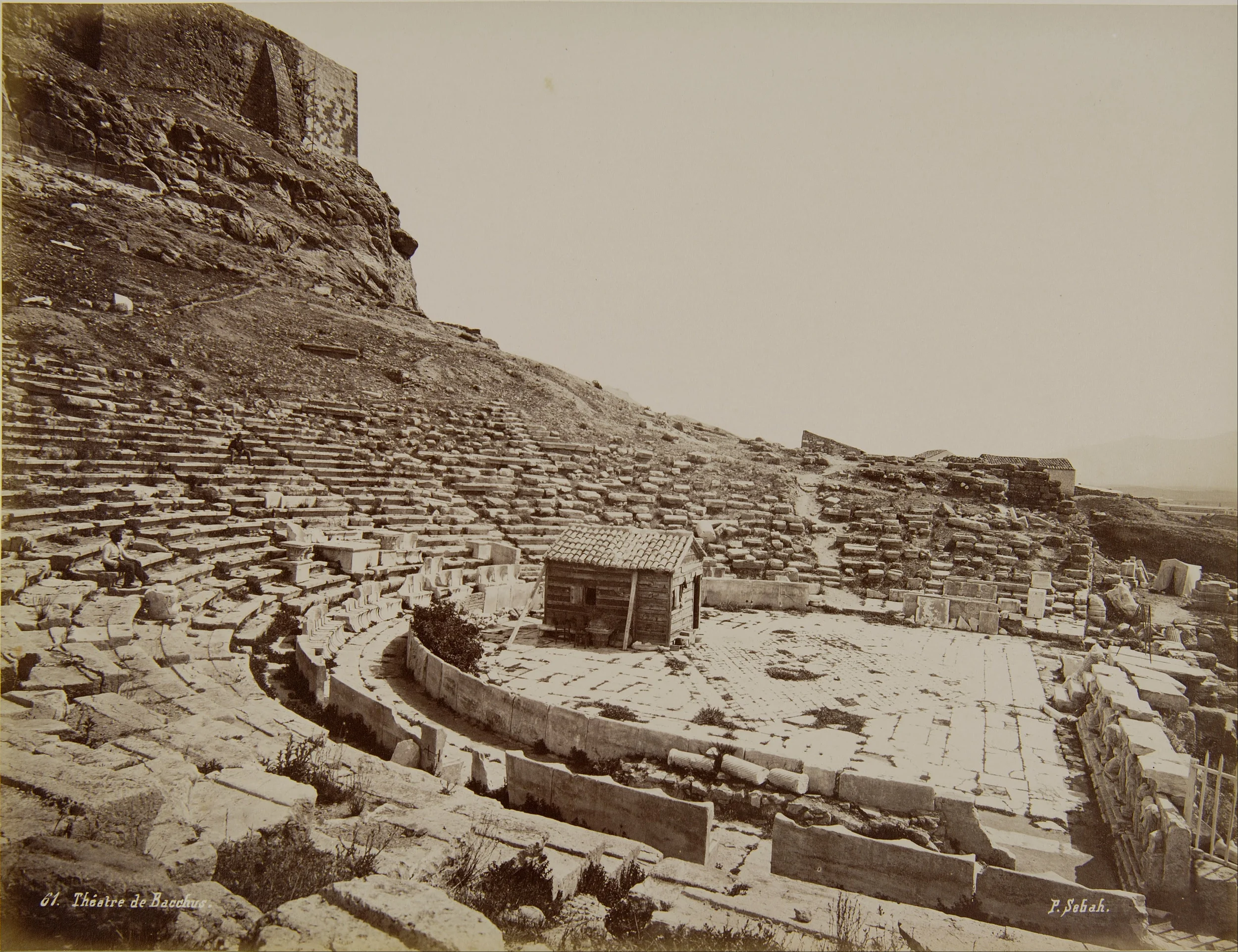
There were two main types of plays that the Greeks performed. The Orchestra was the almost circular place situated in front of the scene stage facing the audience. Theater and stage performances have long been important sources of entertainment and enjoyment and Shakespeare has been a king of the realm of theatrics for centuries. The theaters were large open-air structures constructed on the slopes of hills. Actors performed in the open area at the center of the theater which was called the orchestra.
 Source: thedramateacher.com
Ancient Greek theatre was a theatrical culture that flourished in ancient Greece from 700 BC. The city-state of Athens which became a significant cultural political and religious place during this period was its centre where the theatre was institutionalised as part of a festival called the Dionysia which honoured the god Dionysus. The history of Roman theater stretches far back into history. There were two main types of plays that the Greeks performed. It was so large that there were seats for thirty thousand spectators.
 Source: greektheater8.weebly.com
The people up high on the hill could hear the words spoken far below. New actors started playing and great poets wrote works for the stage. Greek theatre began in the 6th century BCE in Athens with the performance of tragedy plays at religious festivals. The actors were seen as silhouettes or integral bodies rather than faces. After some time only three actors were allowed to perform in each play.
 Source: sarahgrochala.com
Theater comes from a Greek word for viewing the ceremonies. Greek theatre masks were made of stiffened and painted linen so none have survived to the present day. After some time only three actors were allowed to perform in each play. Props for the stage Props in The Theater. The theaters were large open-air structures constructed on the slopes of hills.
 Source: whitman.edu
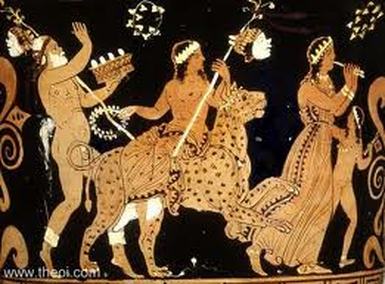
The bowl shape of the seating allowed the actors voices to carry throughout the entire theater. The first type are called Persons props. The satyrs were mythical half-human half-goat figures and actors in these plays wore large phalluses for comic effect. The Greeks were very competitive. Ancient Greek history is intimately tied with theaterEarly plays were performed in tribute to the god Dionysus the god of wine fertility and later theater itself.
 Source: thedramateacher.com
It is thought theatrical performances took place in ancient Rome from the 4th century BC after the establishment of the Roman Republic. Props for the stage Props in The Theater. At the center of the orchestra was situated the Thymeli which at the early years was meant to be an altar and later on a place where the leader of. Gods synergy was necessary for people to be cured at the Asklepieia perhaps in the form of a miracle. However most of the earliest known examples of Roman theater come 200 300 years later starting a period that stretches into the 3rd century CE before the fall of the Roman Empire.
 Source: whitman.edu
Theatre or theater is a collaborative form of performing art that uses live performers usually actors or actresses to present the experience of a real or imagined event before a live audience in a specific place often a stageThe performers may communicate this experience to the audience through combinations of gesture speech song music and dance. Many Greeks tried to become famous playwrights. It is thought theatrical performances took place in ancient Rome from the 4th century BC after the establishment of the Roman Republic. There were two main types of plays that the Greeks performed. Due to limited number of actors allowed on-stage the chorus evolved into a very active part of Greek theatre.
 Source: usu.edu
Greek Columns The Greeks built most of their temples and government buildings in three types of styles Doric Ionic and Corinthian. Soon a huge amphitheater was built. Greek theatre masks were made of stiffened and painted linen so none have survived to the present day. Few examples of these plays survive. Happysad paired masks are referred to as the comedytragedy masks or as Greek theater masks.
 Source: greekboston.com
Under it was the Greek chiton or Roman tunicaTravelers wore the petasos hat. The actors wore masks. After some time only three actors were allowed to perform in each play. Choruses began performing hymns written in his honor which were dubbed dithyrambs. The actors would go back stage after playing one character switch masks and costumes and reappear as.
This site is an open community for users to submit their favorite wallpapers on the internet, all images or pictures in this website are for personal wallpaper use only, it is stricly prohibited to use this wallpaper for commercial purposes, if you are the author and find this image is shared without your permission, please kindly raise a DMCA report to Us.
If you find this site value, please support us by sharing this posts to your preference social media accounts like Facebook, Instagram and so on or you can also bookmark this blog page with the title what were the actors called in greek theater by using Ctrl + D for devices a laptop with a Windows operating system or Command + D for laptops with an Apple operating system. If you use a smartphone, you can also use the drawer menu of the browser you are using. Whether it’s a Windows, Mac, iOS or Android operating system, you will still be able to bookmark this website.