Your Asa mechanism of action images are ready. Asa mechanism of action are a topic that is being searched for and liked by netizens today. You can Get the Asa mechanism of action files here. Get all free images.
If you’re searching for asa mechanism of action pictures information connected with to the asa mechanism of action interest, you have come to the right site. Our site frequently gives you suggestions for downloading the maximum quality video and picture content, please kindly hunt and find more informative video content and images that match your interests.
Asa Mechanism Of Action. Mechanism of action According to its FDA labeling acetaminophens exact mechanism of action has not been fully established Label - despite this it is often categorized alongside NSAIDs nonsteroidal anti-inflammatory drugs due to its ability to inhibit the cyclooxygenase COX pathways. In 1971 Vane discovered the mechanism by which aspirin exerts its anti-inflammatory analgesic and antipyretic actions. Mechanisms of action of aspirin. By continuing to browse this site you are agreeing to our use of cookies.
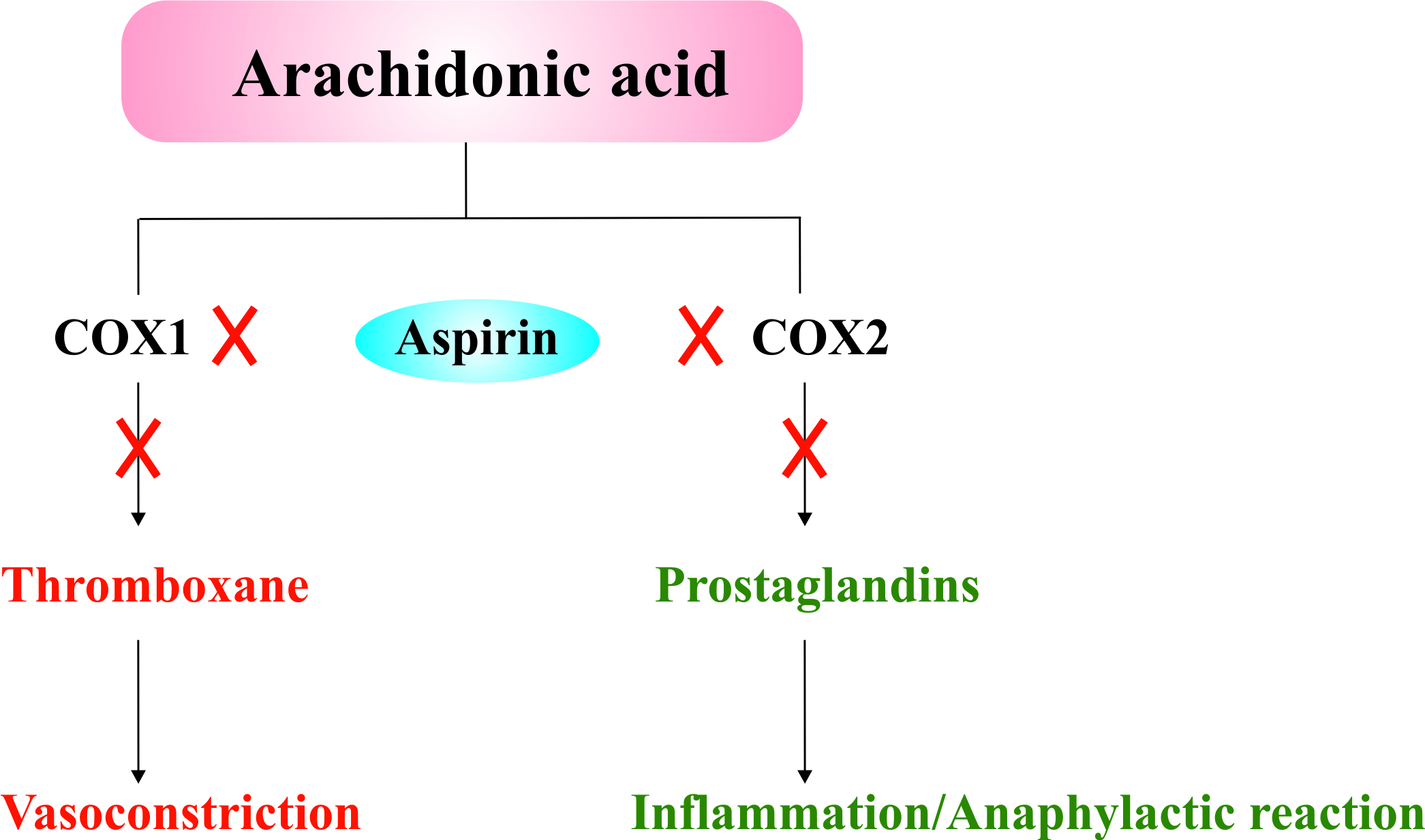 Aspirin Story The Wonder Drug Mechanism Of Action Indication And Side Effect Steemit From steemit.com
We investigated the NO-release patterns and antiplatelet effects of novel furoxan derivatives of aspirin B8 and B7 in comparison to existing antiplatelet agents. 5-aminosalicylic acid is now believed to act by activating a class of nuclear receptors involved in the control of inflammation cell proliferation apoptosis and metabolic function the γ form of peroxisome proliferator-activated receptors. 22 Aspirin interacts with the amino acid Arg120 and consequently blocks the access of arachidonic acid to the hydrophobic channel to Tyr385 at the catalytic site. Aspirin one of the oldest antiplatelet agents used for antithrombotic therapy has been demonstrated to cause acetylation of the cyclo-oxygenase and irreversible inhibition of thromboxane synthesis for the life of the platelet. Mechanism of Action. However whether the therapeutic properties of SASP are due to the intact molecule the 5-ASA or sulphapyridine components is unknown.
It is a modifier of the enzymatic activity of cyclooxygenase-2 COX-2.
Aspirin one of the oldest antiplatelet agents used for antithrombotic therapy has been demonstrated to cause acetylation of the cyclo-oxygenase and irreversible inhibition of thromboxane synthesis for the life of the platelet. ConfigCtrl2infometaDescription This site uses cookies. The main mechanism of action of NSAIDs is the inhibition of the enzyme cyclooxygenase COX. It was not until 1971 that the Vane showed that aspirin suppressed the production of some eicosanoids derived from AA such as prostaglandins 12. Its pharmacologic mechanisms of action are different from other classes of oral antihyperglycemic agents. Aspirin achieves this effect through its acetyl group which becomes covalently attached to Ser529 of the active site of the COX-1 enzyme.
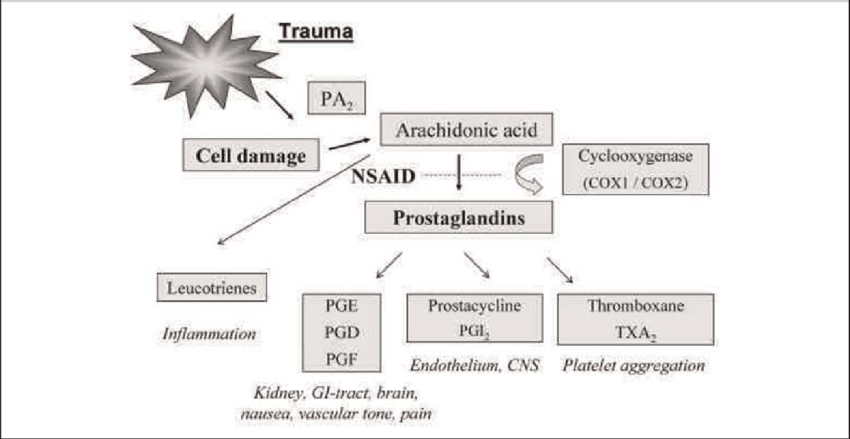 Source: researchgate.net
Its pharmacologic mechanisms of action are different from other classes of oral antihyperglycemic agents. 5-aminosalicylic acid is now believed to act by activating a class of nuclear receptors involved in the control of inflammation cell proliferation apoptosis and metabolic function the γ form of peroxisome proliferator-activated receptors. Aspirin has a similar effect upon the endothelial cyclo-oxygenase but in contrast to that of the platelet it is less sensitive and has the capacity to generate new cyclo-oxygenase activity if. Mechanism of Action. Acetylsalicylic acid acts as an acetylating agent.
 Source: researchgate.net
However whether the therapeutic properties of SASP are due to the intact molecule the 5-ASA or sulphapyridine components is unknown. Aspirin achieves this effect through its acetyl group which becomes covalently attached to Ser529 of the active site of the COX-1 enzyme. Acetylsalicylic acid ASA blocks prostaglandin synthesis. The main mechanism of action of NSAIDs is the inhibition of the enzyme cyclooxygenase COX. Aspirin has a similar effect upon the endothelial cyclo-oxygenase but in contrast to that of the platelet it is less sensitive and has the capacity to generate new cyclo-oxygenase activity if.
 Source: pinterest.com
Aspirin one of the oldest antiplatelet agents used for antithrombotic therapy has been demonstrated to cause acetylation of the cyclo-oxygenase and irreversible inhibition of thromboxane synthesis for the life of the platelet. It was not until 1971 that the Vane showed that aspirin suppressed the production of some eicosanoids derived from AA such as prostaglandins 12. We investigated the NO-release patterns and antiplatelet effects of novel furoxan derivatives of aspirin B8 and B7 in comparison to existing antiplatelet agents. ConfigCtrl2infometaDescription This site uses cookies. Its pharmacologic mechanisms of action are different from other classes of oral antihyperglycemic agents.
 Source: pinterest.com
ConfigCtrl2infometaDescription This site uses cookies. This metabolite is generated via N-acetyltransferase NAT activity in the liver and intestinal mucosa cells largely by NAT-1 in particular Label. Cyclooxygenase COX activity wa. 5-ASA is a first-line treatment that should be given once daily in high doses and for long term to reduce the possibili. Mechanisms of action of aspirin.
 Source: pinterest.com
The net benefit of ASA use depends on weighing the anticipated reduction in cardiovascular events against the increased risk of gastrointestinal bleeding. Aspirin is a cyclooxygenase-1 COX-1 inhibitor. The importance and limitations of the alkylating agents as chemothenapeutic drugs and as tools for examining the basic mechanisms involved in carcinogenesis and muta. Mechanism of Action Metformin is an antihyperglycemic agent which improves glucose tolerance in patients with type 2 diabetes lowering both basal and postprandial plasma glucose. Aspirin one of the oldest antiplatelet agents used for antithrombotic therapy has been demonstrated to cause acetylation of the cyclo-oxygenase and irreversible inhibition of thromboxane synthesis for the life of the platelet.
 Source: researchgate.net
22 Aspirin interacts with the amino acid Arg120 and consequently blocks the access of arachidonic acid to the hydrophobic channel to Tyr385 at the catalytic site. Aspirin one of the oldest antiplatelet agents used for antithrombotic therapy has been demonstrated to cause acetylation of the cyclo-oxygenase and irreversible inhibition of thromboxane synthesis for the life of the platelet. ASA irreversibly inhibits platelet aggregation by inhibiting thromboxane A 2 TxA 2 synthesis. Unlike other NSAIDs ibuprofennaproxen which bind reversibly to this enzyme aspirin binding is irreversible. Mechanisms of action of aspirin.
 Source: researchgate.net
14 It is thought to exert central actions which. 22 Aspirin interacts with the amino acid Arg120 and consequently blocks the access of arachidonic acid to the hydrophobic channel to Tyr385 at the catalytic site. The importance and limitations of the alkylating agents as chemothenapeutic drugs and as tools for examining the basic mechanisms involved in carcinogenesis and muta. Aspirin one of the oldest antiplatelet agents used for antithrombotic therapy has been demonstrated to cause acetylation of the cyclo-oxygenase and irreversible inhibition of thromboxane synthesis for the life of the platelet. We investigated the NO-release patterns and antiplatelet effects of novel furoxan derivatives of aspirin B8 and B7 in comparison to existing antiplatelet agents.
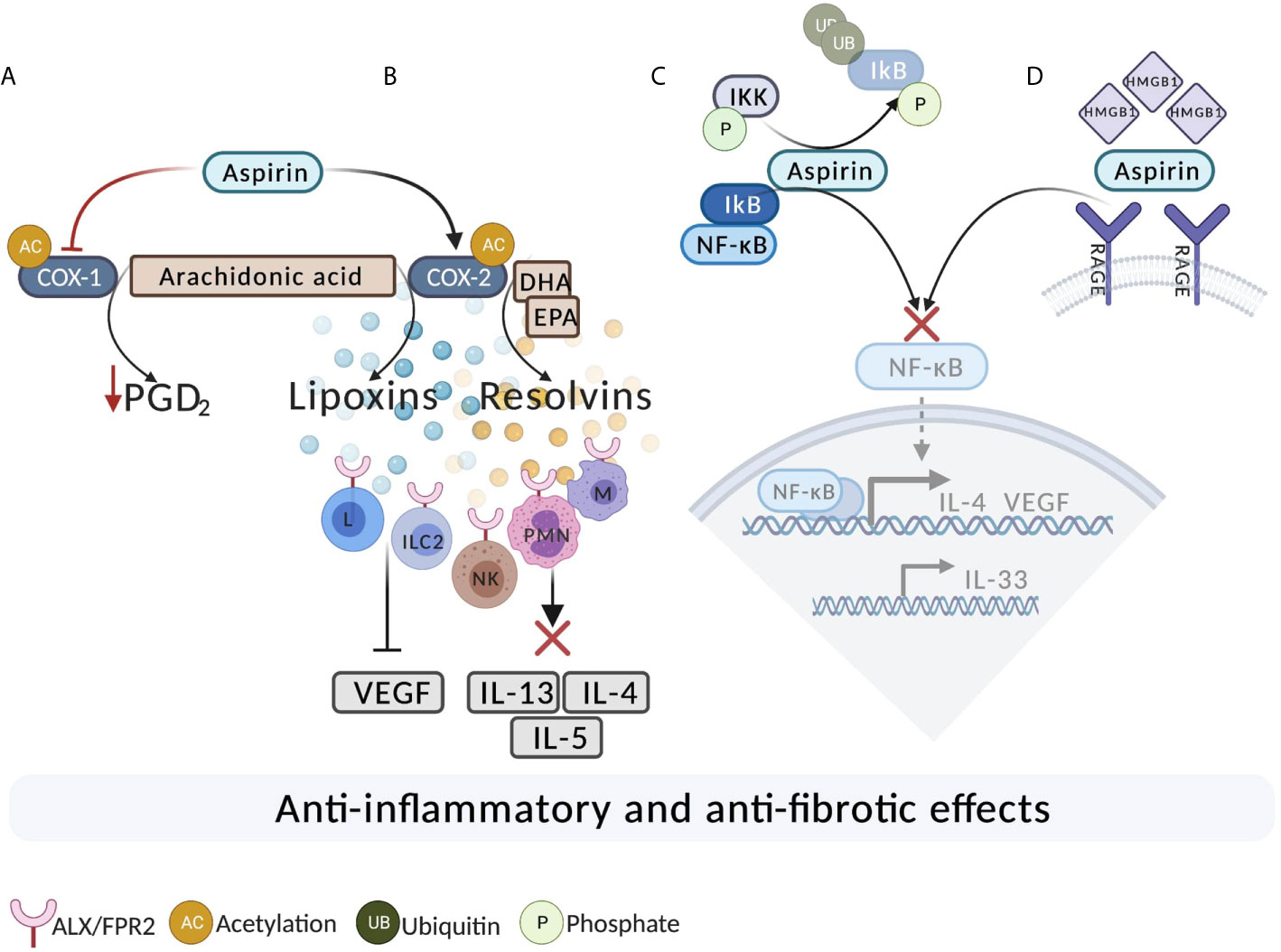 Source: frontiersin.org
Aspirin one of the oldest antiplatelet agents used for antithrombotic therapy has been demonstrated to cause acetylation of the cyclo-oxygenase and irreversible inhibition of thromboxane synthesis for the life of the platelet. Mechanism of action According to its FDA labeling acetaminophens exact mechanism of action has not been fully established Label - despite this it is often categorized alongside NSAIDs nonsteroidal anti-inflammatory drugs due to its ability to inhibit the cyclooxygenase COX pathways. 22 Aspirin interacts with the amino acid Arg120 and consequently blocks the access of arachidonic acid to the hydrophobic channel to Tyr385 at the catalytic site. It is a modifier of the enzymatic activity of cyclooxygenase-2 COX-2. Action of the alkylating agents with compounds of biological importance such as the nucleic acids proteins and peptides has been critically examined.
 Source: researchgate.net
Acetylsalicylic acid acts as an acetylating agent. It was not until 1971 that the Vane showed that aspirin suppressed the production of some eicosanoids derived from AA such as prostaglandins 12. Aspirin exerts its effect primarily by interfering with the biosynthesis of cyclic prostanoids ie thromboxane A 2 TXA 2 prostacyclin and other prostaglandins. Unlike other NSAIDs ibuprofennaproxen which bind reversibly to this enzyme aspirin binding is irreversible. Several mechanisms of action have been proposed for 5-ASA and SASP including interference in the metabolism of arachidonic acid to prostaglandins and leukotrienes scavengingof reactive oxygen species effects on leucocyte function and production of.
 Source: pinterest.com
5-ASA is a first-line treatment that should be given once daily in high doses and for long term to reduce the possibili. Thus aspirin irreversibly inactivates cyclooxygenase COX-1 and suppresses the generation of prostaglandin H 2 a precursor of thromboxane A 2. Mechanism of Action Metformin is an antihyperglycemic agent which improves glucose tolerance in patients with type 2 diabetes lowering both basal and postprandial plasma glucose. Cyclooxygenase is required to convert arachidonic acid into thromboxanes prostaglandins and prostacyclins9 The therapeutic effects of NSAIDs are attributed to the lack of these eicosanoids. This metabolite is generated via N-acetyltransferase NAT activity in the liver and intestinal mucosa cells largely by NAT-1 in particular Label.
 Source: researchgate.net
Mechanism of Action. The net benefit of ASA use depends on weighing the anticipated reduction in cardiovascular events against the increased risk of gastrointestinal bleeding. Aspirin achieves this effect through its acetyl group which becomes covalently attached to Ser529 of the active site of the COX-1 enzyme. Cyclooxygenase is required to convert arachidonic acid into thromboxanes prostaglandins and prostacyclins9 The therapeutic effects of NSAIDs are attributed to the lack of these eicosanoids. Acetylsalicylic acid acts as an acetylating agent.
 Source: discoverymedicine.com
Mechanisms of action of aspirin. Cyclooxygenase is required to convert arachidonic acid into thromboxanes prostaglandins and prostacyclins9 The therapeutic effects of NSAIDs are attributed to the lack of these eicosanoids. The main mechanism of action of NSAIDs is the inhibition of the enzyme cyclooxygenase COX. ConfigCtrl2infometaDescription This site uses cookies. In 1971 Vane discovered the mechanism by which aspirin exerts its anti-inflammatory analgesic and antipyretic actions.
Source: steemit.com
Acetylsalicylic acid acts as an acetylating agent. Several mechanisms of action have been proposed for 5-ASA and SASP including interference in the metabolism of arachidonic acid to prostaglandins and leukotrienes scavengingof reactive oxygen species effects on leucocyte function and production of. Aspirin one of the oldest antiplatelet agents used for antithrombotic therapy has been demonstrated to cause acetylation of the cyclo-oxygenase and irreversible inhibition of thromboxane synthesis for the life of the platelet. Mechanism of Action. MECHANISM OF ACTION OF ASA.
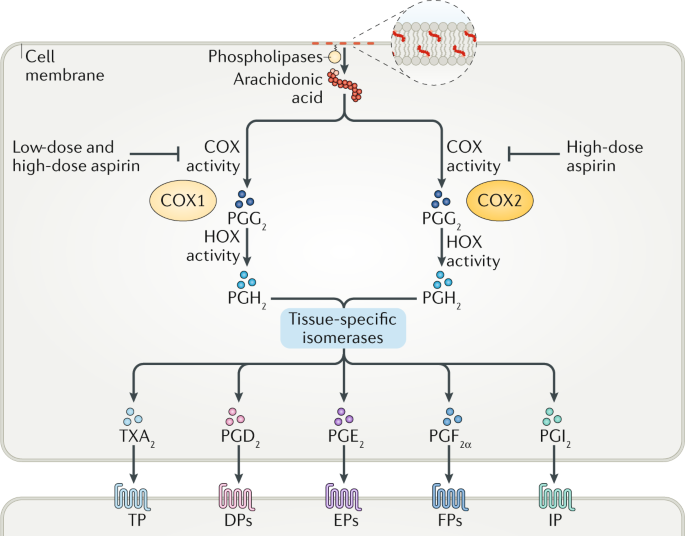 Source: nature.com
Mechanism of action According to its FDA labeling acetaminophens exact mechanism of action has not been fully established Label - despite this it is often categorized alongside NSAIDs nonsteroidal anti-inflammatory drugs due to its ability to inhibit the cyclooxygenase COX pathways. Mechanism of Action Metformin is an antihyperglycemic agent which improves glucose tolerance in patients with type 2 diabetes lowering both basal and postprandial plasma glucose. However whether the therapeutic properties of SASP are due to the intact molecule the 5-ASA or sulphapyridine components is unknown. 5-ASA seems to have a specific effect on the inflammation in ulcerative colitis. 5-ASA is a first-line treatment that should be given once daily in high doses and for long term to reduce the possibili.
 Source: researchgate.net
For many years aspirin was widely used as household medicine for the treatment of fever pain and inflammation even though its mechanism of action was unknown. It also blocks thromboxane A2 on platelets in an irreversible fashion preventing platelet aggregation. Aspirin is a cyclooxygenase-1 COX-1 inhibitor. The main mechanism of action of NSAIDs is the inhibition of the enzyme cyclooxygenase COX. For many years aspirin was widely used as household medicine for the treatment of fever pain and inflammation even though its mechanism of action was unknown.
 Source: pinterest.com
Proposed mechanisms of aspirin resistance include poor adherence with therapy poor absorption inadequate dosage drug interactions increased isoprostane activity platelet hypersensitivity to agonists increased COX-2 activity COX-1 polymorphism and platelet alloantigen 2 polymorphism of platelet glycoprotein IIIa. However whether the therapeutic properties of SASP are due to the intact molecule the 5-ASA or sulphapyridine components is unknown. Hover over products below to view reaction partners. Cyclooxygenase is required to convert arachidonic acid into thromboxanes prostaglandins and prostacyclins9 The therapeutic effects of NSAIDs are attributed to the lack of these eicosanoids. Unlike other NSAIDs ibuprofennaproxen which bind reversibly to this enzyme aspirin binding is irreversible.
 Source: pinterest.com
Several mechanisms of action have been proposed for 5-ASA and SASP including interference in the metabolism of arachidonic acid to prostaglandins and leukotrienes scavengingof reactive oxygen species effects on leucocyte function and production of. Research on the mechanism of its action may give information on the etiology of ulcerative colitis. It was not until 1971 that the Vane showed that aspirin suppressed the production of some eicosanoids derived from AA such as prostaglandins 12. Aspirin has a similar effect upon the endothelial cyclo-oxygenase but in contrast to that of the platelet it is less sensitive and has the capacity to generate new cyclo-oxygenase activity if. Mechanism of Action.
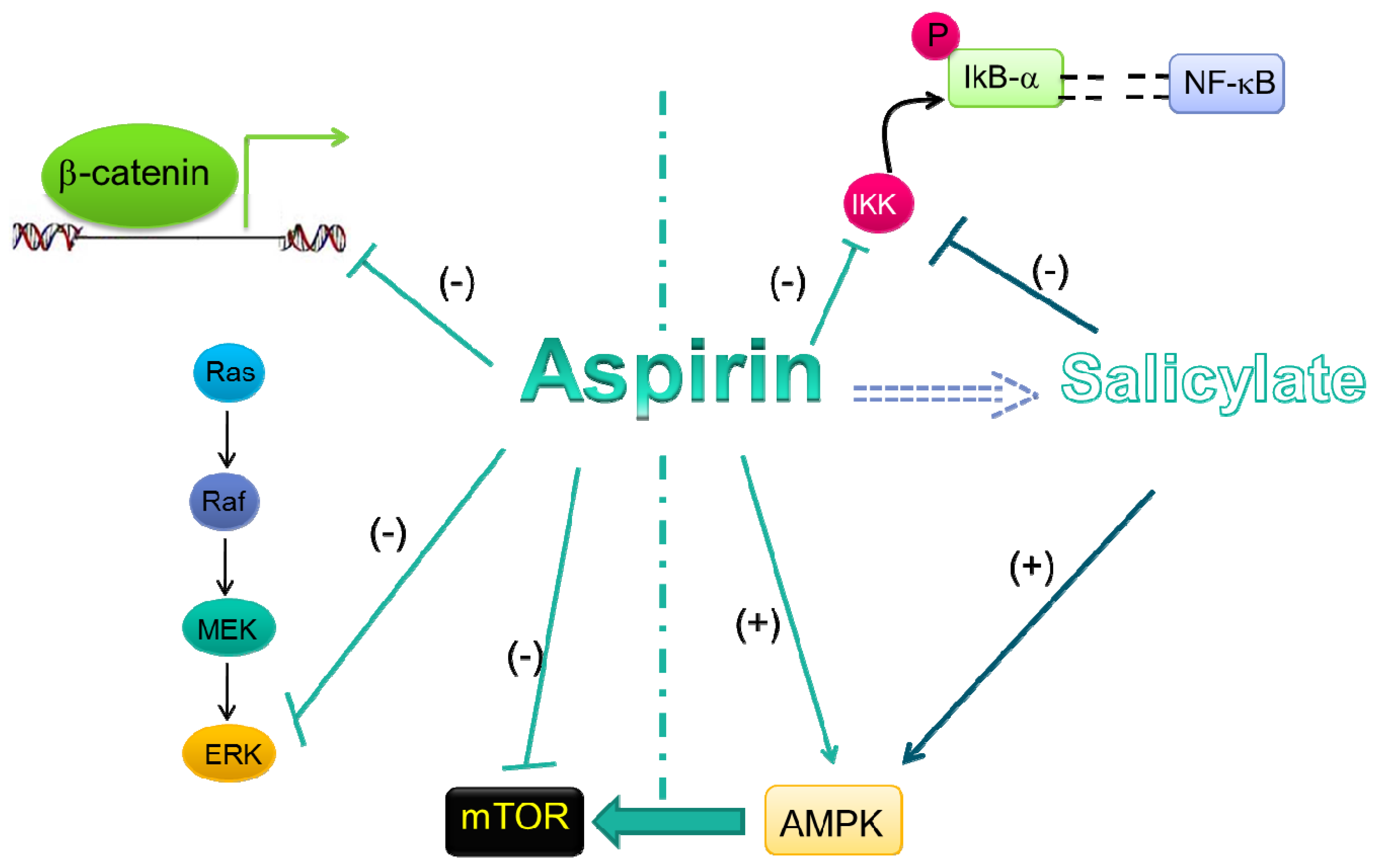 Source: mdpi.com
Cyclooxygenase COX activity wa. ASA irreversibly inhibits platelet aggregation by inhibiting thromboxane A 2 TxA 2 synthesis. Acetylsalicylic acid ASA blocks prostaglandin synthesis. Unlike other NSAIDs ibuprofennaproxen which bind reversibly to this enzyme aspirin binding is irreversible. For many years aspirin was widely used as household medicine for the treatment of fever pain and inflammation even though its mechanism of action was unknown.
This site is an open community for users to do sharing their favorite wallpapers on the internet, all images or pictures in this website are for personal wallpaper use only, it is stricly prohibited to use this wallpaper for commercial purposes, if you are the author and find this image is shared without your permission, please kindly raise a DMCA report to Us.
If you find this site helpful, please support us by sharing this posts to your favorite social media accounts like Facebook, Instagram and so on or you can also save this blog page with the title asa mechanism of action by using Ctrl + D for devices a laptop with a Windows operating system or Command + D for laptops with an Apple operating system. If you use a smartphone, you can also use the drawer menu of the browser you are using. Whether it’s a Windows, Mac, iOS or Android operating system, you will still be able to bookmark this website.


