Your Alcohol mechanism of action images are ready. Alcohol mechanism of action are a topic that is being searched for and liked by netizens now. You can Download the Alcohol mechanism of action files here. Get all royalty-free photos and vectors.
If you’re looking for alcohol mechanism of action pictures information connected with to the alcohol mechanism of action interest, you have pay a visit to the right blog. Our site always provides you with hints for seeing the maximum quality video and image content, please kindly search and find more informative video content and graphics that match your interests.
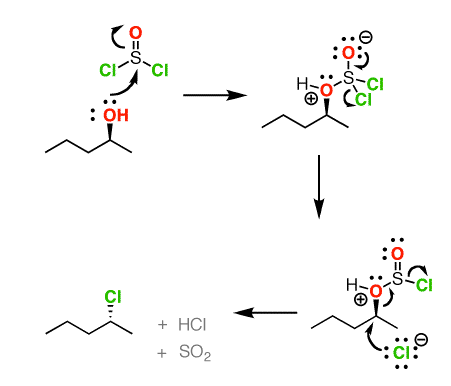
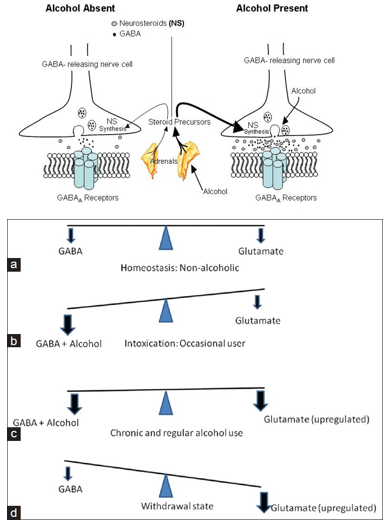
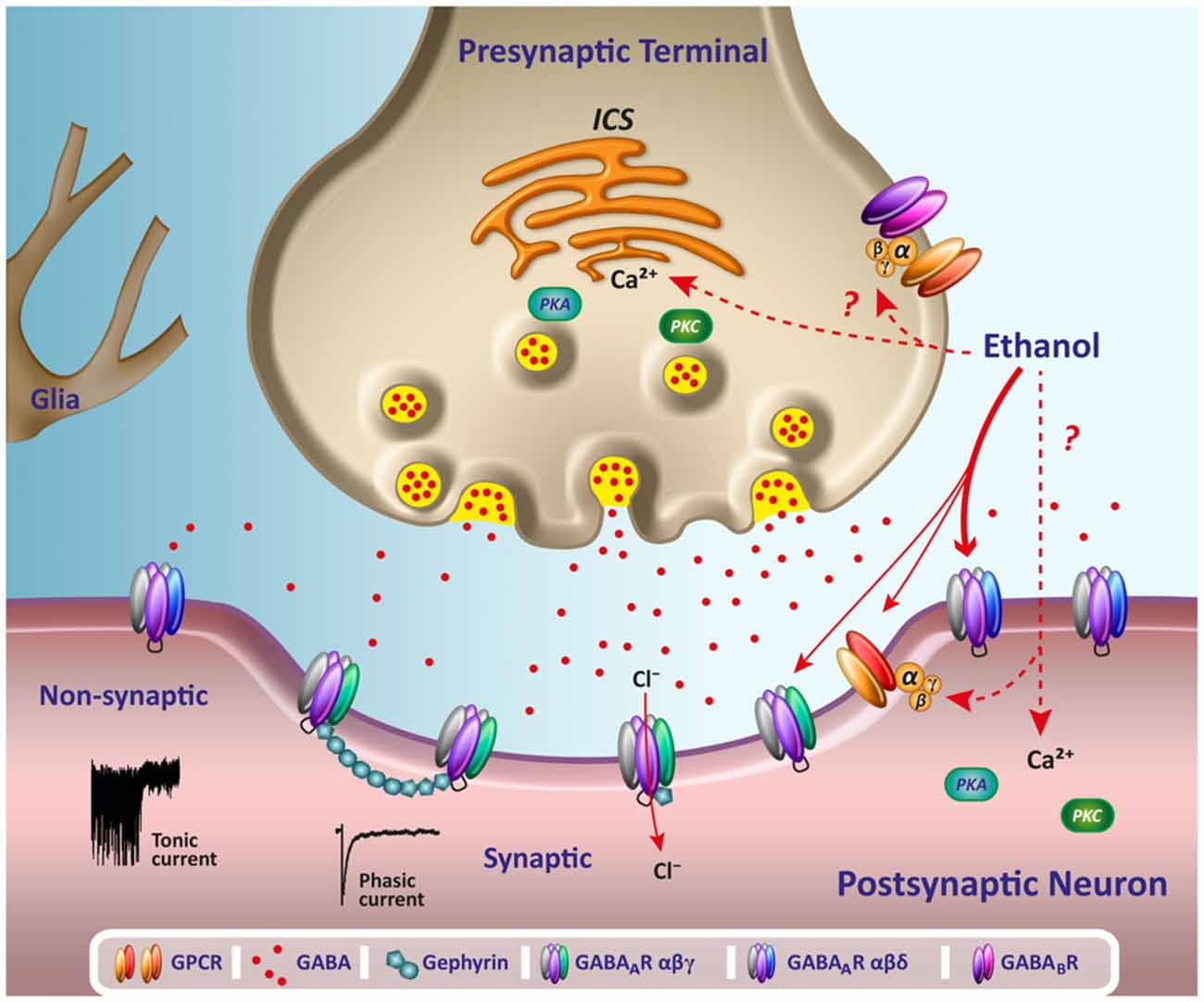
Alcohol Mechanism Of Action. In line with these pharmacological effects. Proteins the machinery of the cell must be dissolved in water in order to properly function. The ideal alcohol solution is of a concentration ranging from 60-80. Alcohol acts presynaptically at the GABA neuron increasing GABA release and postsynaptically enhancing GABA receptor action.
 Content Alcohol Disrupts The Communication Between Neurons The Alcohol Pharmacology Education Partnership From sites.duke.edu
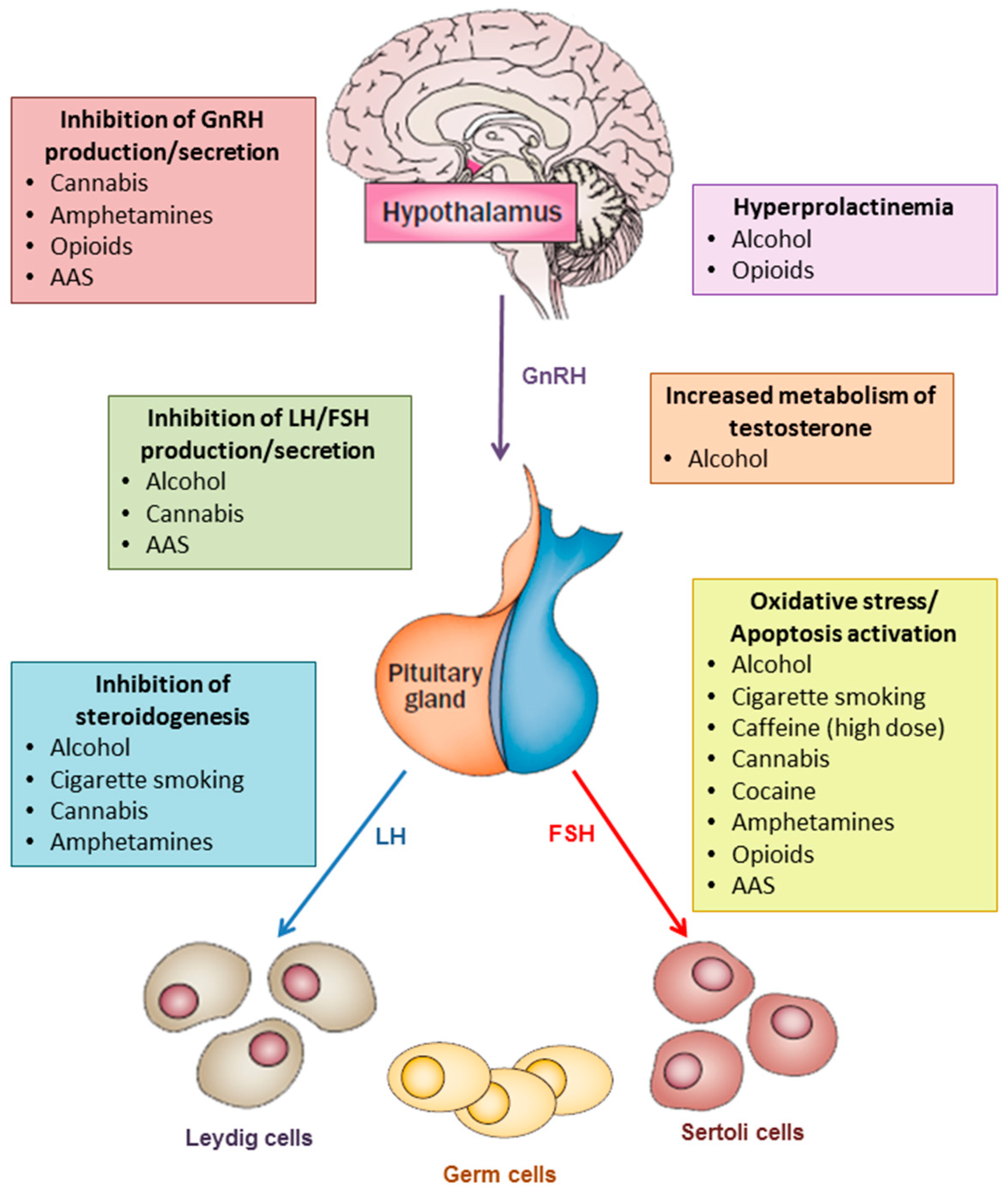
When one puts a protein in ethanol ethyl alcohol the protein can. Alcohol is also converted to a lipid metabolite phosphatidylethanol by phospholipase D2 and this metabolite is shown to bind directly to and regulate ion channels. 1 Introduction - Medical Burden of Alcohol Abuse. An estimated 763 million people worldwide have alcohol use disorders AUDs and these account for 18 million deaths each year. Higher concentrations of alcohol or alcohols in their pure form are less potent as an antimicrobial since proteins do not denature well in the absence of water. Action of 5HT on 5HT3 inhibitory auto-receptor having an intrinsic ion channel is augmented.
Baclofen a GABA-B agonist has shown to be very effective in the treatment of alcohol dependence and in particular extremely efficacious in effortlessly reducing the motivation to drink.
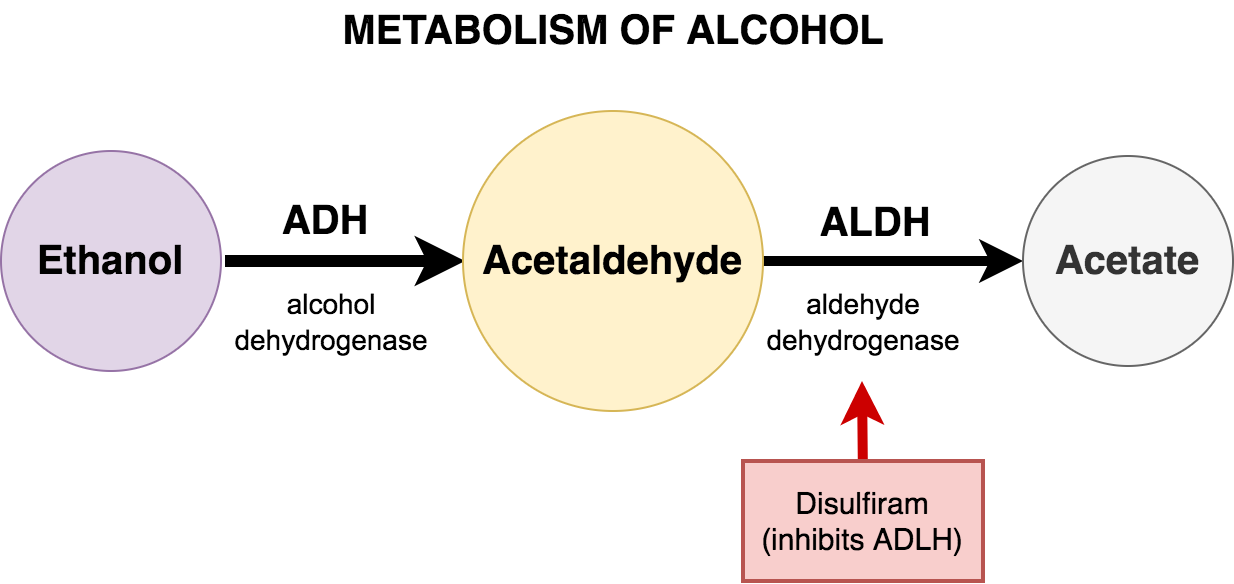
An estimated 763 million people worldwide have alcohol use disorders AUDs and these account for 18 million deaths each year. Preclinical studies have shown that GABA-B receptors are involved in memory storage and retrieval. Naltrexone is an opioid receptor antagonist and reduces the release of dopamine resulting from alcohol use suppressing its rewarding effects. Evidence suggests that alcohol affects brain function by interacting with multiple neurotransmitter systems thereby disrupting the delicate balance between inhibitory and excitatory neurotransmitters. Relaxation looks of coordination and motor slowing-alcohol increases GABA effects-GABA agonist binds GABA A receptor Glutamate -NMDA antagonist so less transmission by the glutamate that is actually there. This reaction can take place through 3 different routes involving distinct enzymes.
 Source: masterorganicchemistry.com
Relaxation looks of coordination and motor slowing-alcohol increases GABA effects-GABA agonist binds GABA A receptor Glutamate -NMDA antagonist so less transmission by the glutamate that is actually there. To describe the effects of alcohol on the CNS identifying the signaling pathways that are modified and the biological effects resulting from its. Alcohol is a psychotropic depressant of the central nervous system CNS that promotes simultaneous changes in several neuronal pathways exerting a profound neurological impact that leads to various behavioral and biological alterations. An estimated 763 million people worldwide have alcohol use disorders AUDs and these account for 18 million deaths each year. Describe the mechanisms of action of alcohol.
 Source: psychdb.com
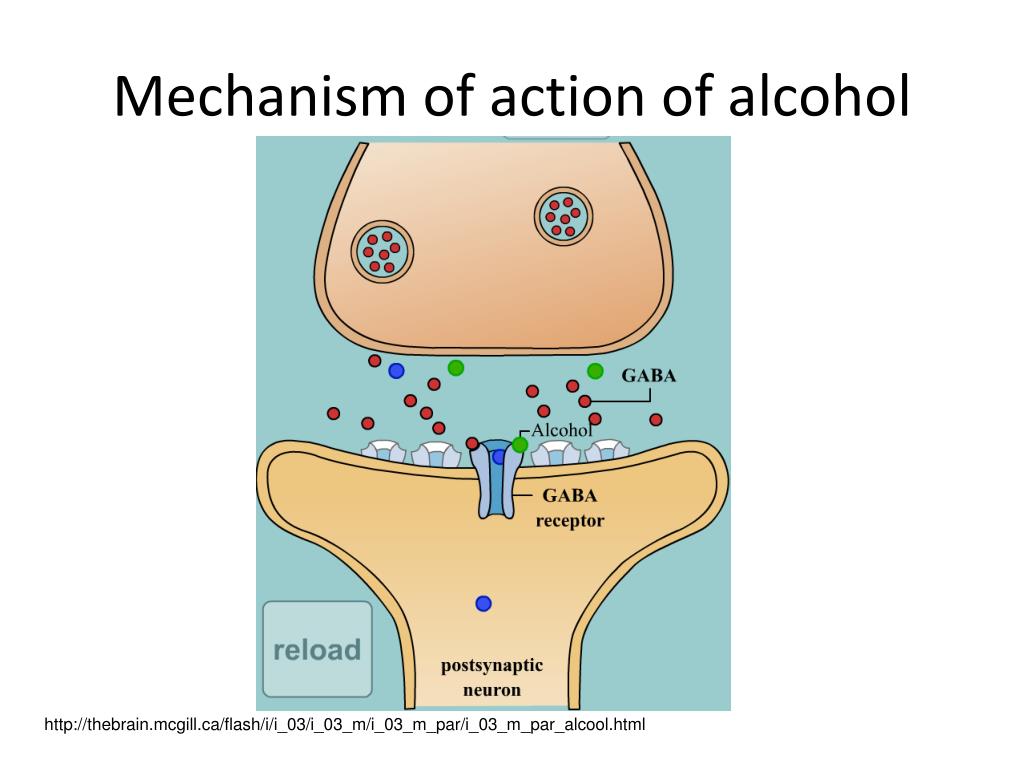
Relaxation looks of coordination and motor slowing-alcohol increases GABA effects-GABA agonist binds GABA A receptor Glutamate -NMDA antagonist so less transmission by the glutamate that is actually there. To put it merely Naltrexone alcoholism mechanism is binding itself to the opioid receptors in a persons brain blocking the effects of excessive alcohol intake or opiates which suppresses the cravings for those substances. Alcohol acts presynaptically at the GABA neuron increasing GABA release and postsynaptically enhancing GABA receptor action. One of alcohols main mechanisms of action in the brain is that it is a modulator for the neurotransmitter GABA gamma aminobutyric acid. Naltrexone For Alcohol Abuse.
 Source: grepmed.com
2 Alcohol withdrawal syndrome AWS is a well-known. Evidence suggests that alcohol affects brain function by interacting with multiple neurotransmitter systems thereby disrupting the delicate balance between inhibitory and excitatory neurotransmitters. Naltrexone is an opioid receptor antagonist and reduces the release of dopamine resulting from alcohol use suppressing its rewarding effects. Alcohol dehydrogenase cytosol Multiple cytochromes microsomes Catalase peroxisomes The resulting acetaldehyde. Its mechanism of action in this condition is unknown.
Source: sites.duke.edu
Baclofen a GABA-B receptor agonist is a promising treatment for alcohol use disorder AUD. Ethyl alcohol kills bacteria mainly through 2 mechanisms. Of the alcohol is metabolized by ADH or cytochrome P450. Baclofen a GABA-B agonist has shown to be very effective in the treatment of alcohol dependence and in particular extremely efficacious in effortlessly reducing the motivation to drink. When one puts a protein in ethanol ethyl alcohol the protein can.
 Source: sciencedirect.com
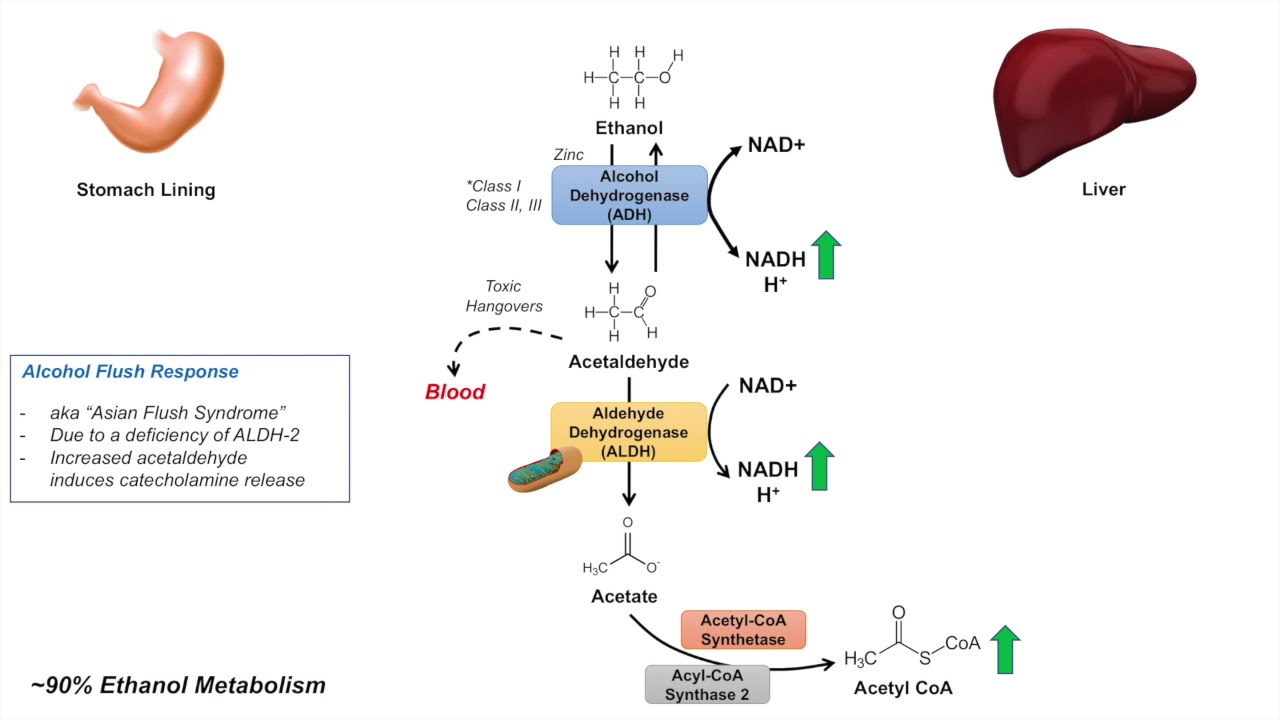
GABA-B receptors interact with many biological systems potentially involved in AUD including transduction pathways and neurotransmitter systems. Evidence suggests that alcohol affects brain function by interacting with multiple neurotransmitter systems thereby disrupting the delicate balance between inhibitory and excitatory neurotransmitters. An estimated 763 million people worldwide have alcohol use disorders AUDs and these account for 18 million deaths each year. Ethanol is firstly oxidized into acetaldehyde. To put it merely Naltrexone alcoholism mechanism is binding itself to the opioid receptors in a persons brain blocking the effects of excessive alcohol intake or opiates which suppresses the cravings for those substances.
 Source: mdpi.com
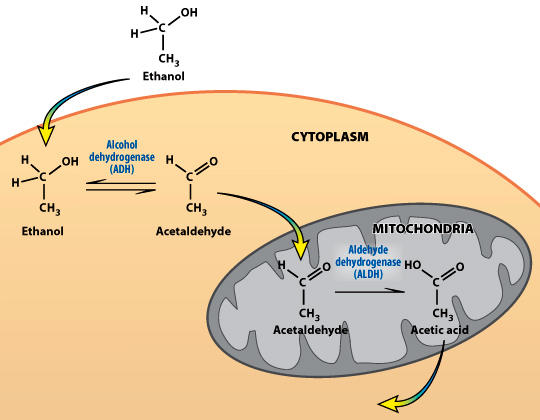
GABA is an inhibitory neurotransmitter meaning. 1 It is estimated that up to 42 of patients admitted to general hospitals and one-third of patients admitted to hospital intensive care units ICU have AUD. After long-term alcohol exposure however the brain attempts. Alcohol is also converted to a lipid metabolite phosphatidylethanol by phospholipase D2 and this metabolite is shown to bind directly to and regulate ion channels. The metabolism of ethanol consists of 2 reactions.
 Source: researchgate.net
The remaining alcohol enters the general ie systemic circulation and eventually is transported back to the liver and metabolized there. Alcohol produces injury to cells by dehydration and precipitation of the cytoplasm or protoplasm. Protein denaturation and dissolving the lipid membrane. This reaction can take place through 3 different routes involving distinct enzymes. GABA-B receptors interact with many biological systems potentially involved in AUD including transduction pathways and neurotransmitter systems.
 Source: researchgate.net
Yamakura et al 2001While the GABA A receptor α1 α2 ρ1 and β1 subunits have been the subject of study many other subunit combinations have only recently been tested for their ethanol responses. Alcohol is a psychotropic depressant of the central nervous system CNS that promotes simultaneous changes in several neuronal pathways exerting a profound neurological impact that leads to various behavioral and biological alterations. Action of 5HT on 5HT3 inhibitory auto-receptor having an intrinsic ion channel is augmented. This reaction can take place through 3 different routes involving distinct enzymes. The metabolism of ethanol consists of 2 reactions.
 Source: proteopedia.org
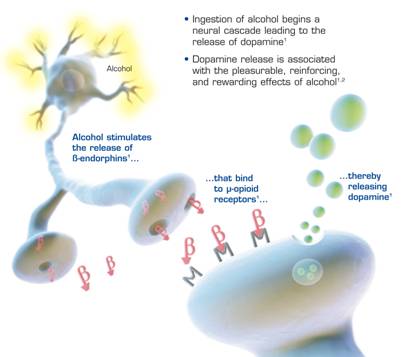
Alcohol acts presynaptically at the GABA neuron increasing GABA release and postsynaptically enhancing GABA receptor action. Alcohol use induces release of endogenous opioids leading to opioid receptor activation and increased dopamine release in the nucleus accumbens. 1 It is estimated that up to 42 of patients admitted to general hospitals and one-third of patients admitted to hospital intensive care units ICU have AUD. Evidence suggests that alcohol affects brain function by interacting with multiple neurotransmitter systems thereby disrupting the delicate balance between inhibitory and excitatory neurotransmitters. In line with these pharmacological effects.
 Source: sciencedirect.com
Of the alcohol is metabolized by ADH or cytochrome P450. Baclofen a GABA-B agonist has shown to be very effective in the treatment of alcohol dependence and in particular extremely efficacious in effortlessly reducing the motivation to drink. The metabolism of alcohol in the stomach or during the first passage through the liver after absorption from the intestine is called first-pass metabolism. The ideal alcohol solution is of a concentration ranging from 60-80. This accounts for its bacteriocidal and antifungal action.
 Source: researchgate.net
To put it merely Naltrexone alcoholism mechanism is binding itself to the opioid receptors in a persons brain blocking the effects of excessive alcohol intake or opiates which suppresses the cravings for those substances. Proteins the machinery of the cell must be dissolved in water in order to properly function. Short-term alcohol exposure tilts this balance in favor of inhibitory influences. Baclofen a GABA-B agonist has shown to be very effective in the treatment of alcohol dependence and in particular extremely efficacious in effortlessly reducing the motivation to drink. The ideal alcohol solution is of a concentration ranging from 60-80.
 Source: medicinespecifics.com
Baclofen a GABA-B agonist has shown to be very effective in the treatment of alcohol dependence and in particular extremely efficacious in effortlessly reducing the motivation to drink. 15 rows Although several alcohols have been shown to be effective antimicrobials ethyl alcohol ethanol. To put it merely Naltrexone alcoholism mechanism is binding itself to the opioid receptors in a persons brain blocking the effects of excessive alcohol intake or opiates which suppresses the cravings for those substances. Alcohol dehydrogenase cytosol Multiple cytochromes microsomes Catalase peroxisomes The resulting acetaldehyde. Naltrexone is an opioid receptor antagonist and reduces the release of dopamine resulting from alcohol use suppressing its rewarding effects.
 Source: youtube.com
Yamakura et al 2001While the GABA A receptor α1 α2 ρ1 and β1 subunits have been the subject of study many other subunit combinations have only recently been tested for their ethanol responses. The ideal alcohol solution is of a concentration ranging from 60-80. Evidence suggests that alcohol affects brain function by interacting with multiple neurotransmitter systems thereby disrupting the delicate balance between inhibitory and excitatory neurotransmitters. 2 Alcohol withdrawal syndrome AWS is a well-known. The metabolism of alcohol in the stomach or during the first passage through the liver after absorption from the intestine is called first-pass metabolism.
 Source: pinterest.com
15 rows Although several alcohols have been shown to be effective antimicrobials ethyl alcohol ethanol. 1 Introduction - Medical Burden of Alcohol Abuse. Ethanol is firstly oxidized into acetaldehyde. Yamakura et al 2001While the GABA A receptor α1 α2 ρ1 and β1 subunits have been the subject of study many other subunit combinations have only recently been tested for their ethanol responses. Alcohol dehydrogenase cytosol Multiple cytochromes microsomes Catalase peroxisomes The resulting acetaldehyde.
 Source: sciencedirect.com
The metabolism of ethanol consists of 2 reactions. Alcohol produces injury to cells by dehydration and precipitation of the cytoplasm or protoplasm. GABA is an inhibitory neurotransmitter meaning. Protein denaturation and dissolving the lipid membrane. The remaining alcohol enters the general ie systemic circulation and eventually is transported back to the liver and metabolized there.
 Source: u.osu.edu
GABA-B receptors interact with many biological systems potentially involved in AUD including transduction pathways and neurotransmitter systems. To put it merely Naltrexone alcoholism mechanism is binding itself to the opioid receptors in a persons brain blocking the effects of excessive alcohol intake or opiates which suppresses the cravings for those substances. Describe the mechanisms of action of alcohol. Proteins the machinery of the cell must be dissolved in water in order to properly function. Higher concentrations of alcohol or alcohols in their pure form are less potent as an antimicrobial since proteins do not denature well in the absence of water.
 Source: sites.duke.edu
Alcohol is a psychotropic depressant of the central nervous system CNS that promotes simultaneous changes in several neuronal pathways exerting a profound neurological impact that leads to various behavioral and biological alterations. 1 Introduction - Medical Burden of Alcohol Abuse. Alcohol use induces release of endogenous opioids leading to opioid receptor activation and increased dopamine release in the nucleus accumbens. Alcohol is a psychotropic depressant of the central nervous system CNS that promotes simultaneous changes in several neuronal pathways exerting a profound neurological impact that leads to various behavioral and biological alterations. Relaxation looks of coordination and motor slowing-alcohol increases GABA effects-GABA agonist binds GABA A receptor Glutamate -NMDA antagonist so less transmission by the glutamate that is actually there.
 Source: u.osu.edu
GABA is an inhibitory neurotransmitter meaning. Its mechanism of action in this condition is unknown. When alcohol is injected in close proximity to nerve tissues it produces neuritis and nerve degeneration neurolysis. An estimated 763 million people worldwide have alcohol use disorders AUDs and these account for 18 million deaths each year. This accounts for its bacteriocidal and antifungal action.
This site is an open community for users to do sharing their favorite wallpapers on the internet, all images or pictures in this website are for personal wallpaper use only, it is stricly prohibited to use this wallpaper for commercial purposes, if you are the author and find this image is shared without your permission, please kindly raise a DMCA report to Us.
If you find this site value, please support us by sharing this posts to your favorite social media accounts like Facebook, Instagram and so on or you can also save this blog page with the title alcohol mechanism of action by using Ctrl + D for devices a laptop with a Windows operating system or Command + D for laptops with an Apple operating system. If you use a smartphone, you can also use the drawer menu of the browser you are using. Whether it’s a Windows, Mac, iOS or Android operating system, you will still be able to bookmark this website.


